Research Center and Graduate School
Starting in August 2026, Zahra Institute is introducing a new, shorter course format. The four-week sessions will cover a broad array of topics while inviting in a wider range of students, including working professionals and students too busy for a full-semester class. Current MA and Certificate students can earn one program credit per mini-course. Full semester language courses in Kurmanji and Sorani continue as usual, with beginner through advanced levels.
Fall 2026 mini-courses include “Multimedia for Online Language Teaching” coming up in August; “History of Kurdish Cinema” in September; “Contemporary Kurdish Literature” and “Qur’an in Historical Context” in October; and “Islamic Constitutionalism and Said Nursi’s Munazarat” in November.

A synchronous online mini-course designed for language instructors seeking to strengthen their digital teaching skills. Grounded in a task-based approach, it introduces key multimedia tools and guides participants in designing meaningful, learner-centered online activities. By the end, participants will have created a small teaching portfolio to support an online language course at their institution.

A comprehensive survey of contemporary Kurdish cinema, developing a critical understanding of how Kurds and Kurdishness appear in and through film. We focus especially on cinema's role in the national aspirations of Kurds in Kurdistan and beyond — using gender, language, religion, and class as tools, and asking who its audience is and what ethical questions shape its future.

Examines the themes and genres being explored by Kurdish writers in Kurdistan and the Diaspora today. No knowledge of Kurdish is required. We will be discussing works composed in both Kurdish and European languages; English translations will be available for most texts.
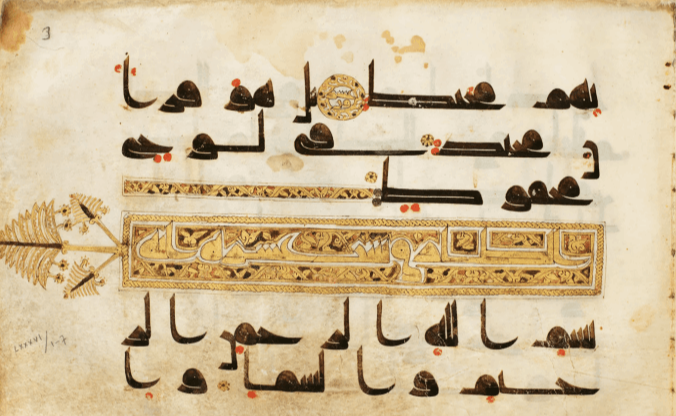
What did the Quran mean to the generation that first heard it, and how did it impact them? In this course we'll study passages and vocabulary of the Quran, along with the history, language, and literature of the period, to understand the world its first generation lived in — and how its message engaged the thought of Christians, Jews, pagan Neoplatonists, and others.
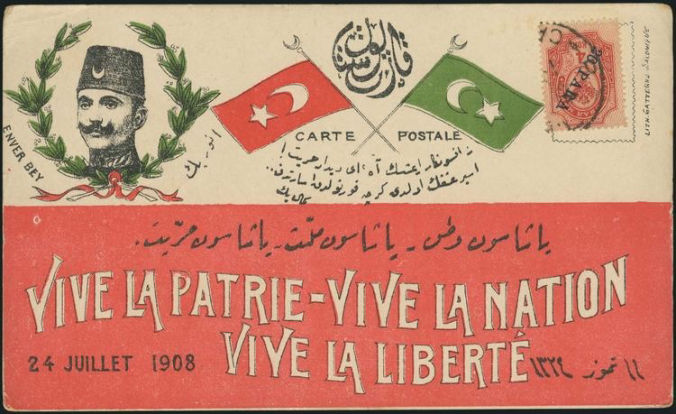
Amid the modern Muslim world's debates over Islamic Constitutionalism in the late 19th and early 20th centuries, Said Nursi's treatise Munazarat (1911) argued for the compatibility of Sharia and Constitutionalism through an imagined dialogue with ordinary Ottoman Kurds. The course explores its key ideas amid broader transformations in authority, theology, and reform.
Independent Scholar
Lords of the Mountains:
Kurds and Kurdistan in English Writing
Wednesday, September 23
12:00 PM Central / 1:00 PM Eastern
Centre for Military History and Social Sciences
Can States Be Built Without Recognition?
Empirical Evidence from 35 Years of German–Iraqi Kurdish Relations
Wednesday, October 7
12:00 PM Central / 1:00 PM Eastern
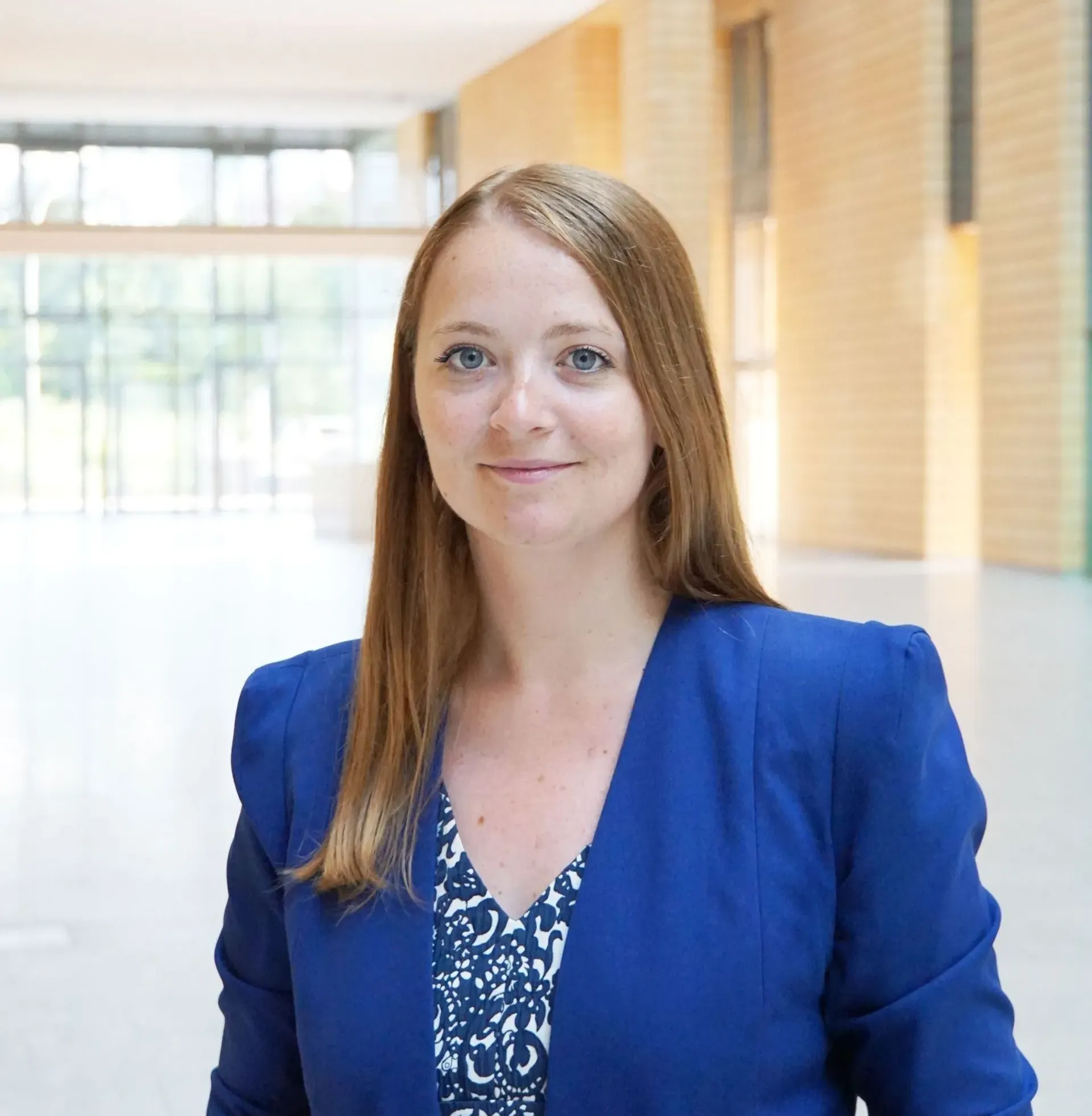
Ahi Evran University / McGill University
The Kurdish Madrasa and the Making of an Intellectual Tradition
Wednesday, October 21
12:00 PM Central / 1:00 PM Eastern
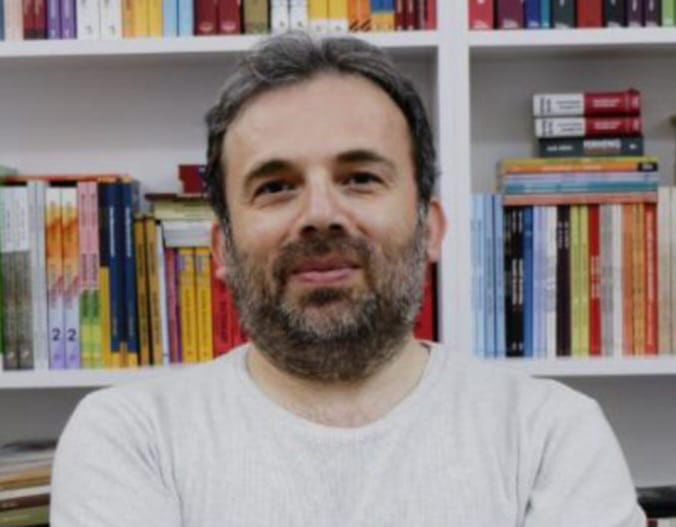
University of Manchester
An Unavoidable Homeland: Iran's Security State
Wednesday, November 4
12:00 PM Central / 1:00 PM Eastern
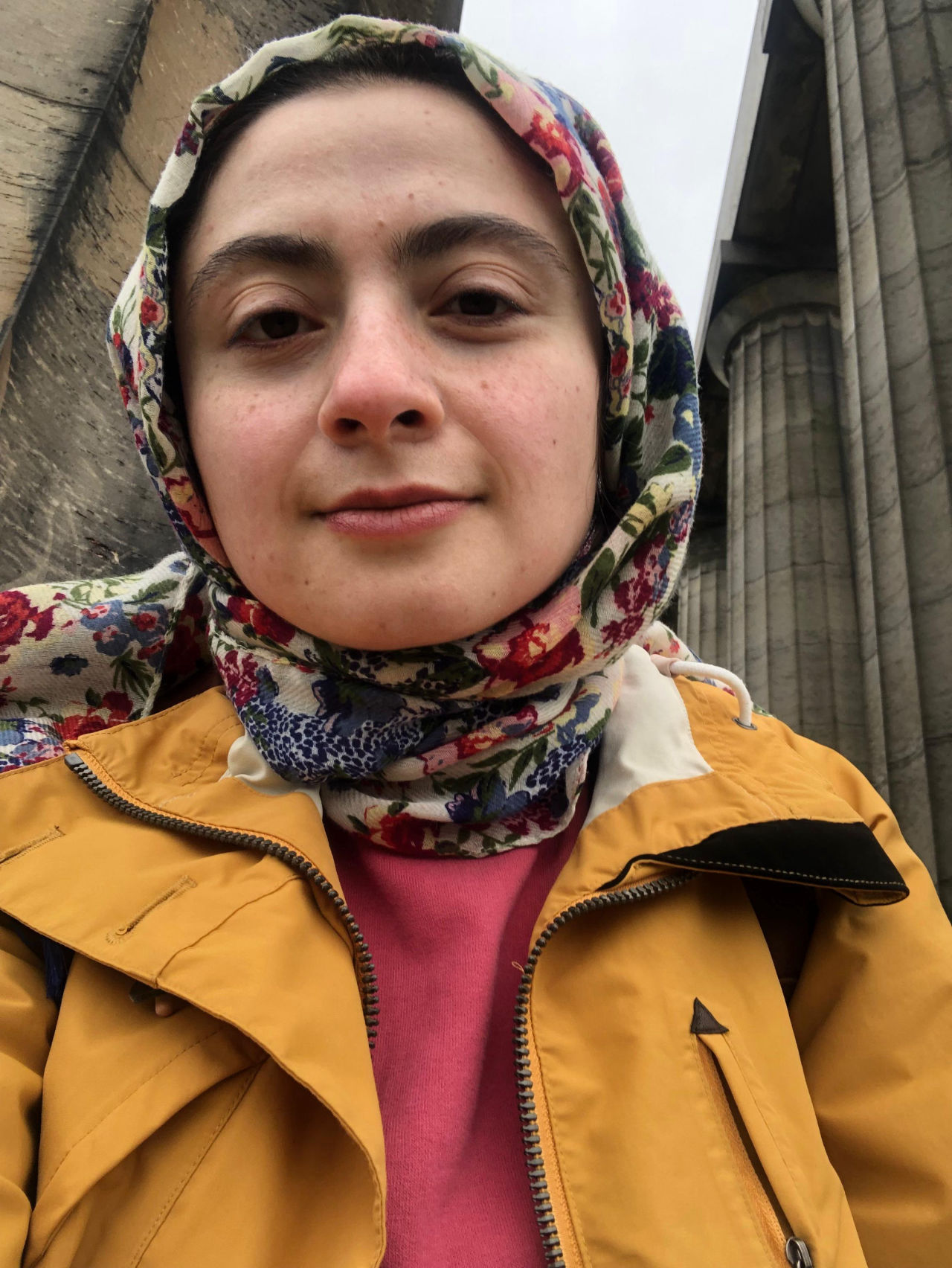
Independent Scholar
The Seyda:
From Heaven to Earth — Cegerxwîn and Modern Kurdish Poetry
Wednesday, December 2
12:00 PM Central / 1:00 PM Eastern
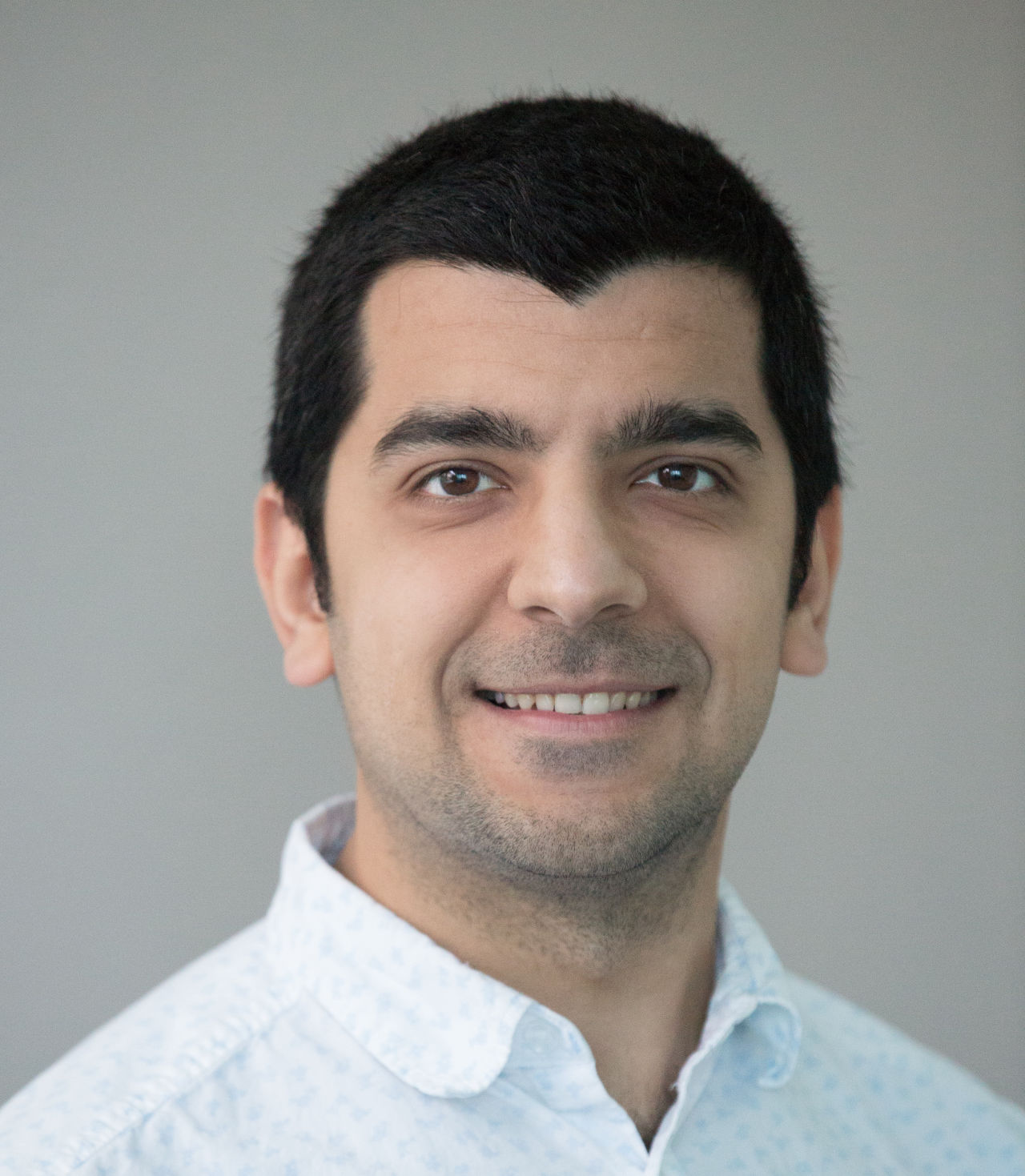
Manchester Law School
'Honour' and Human Rights:
Namûs, Ethical Life and Legal Subjectivity
Wednesday, December 9
12:00 PM Central / 1:00 PM Eastern
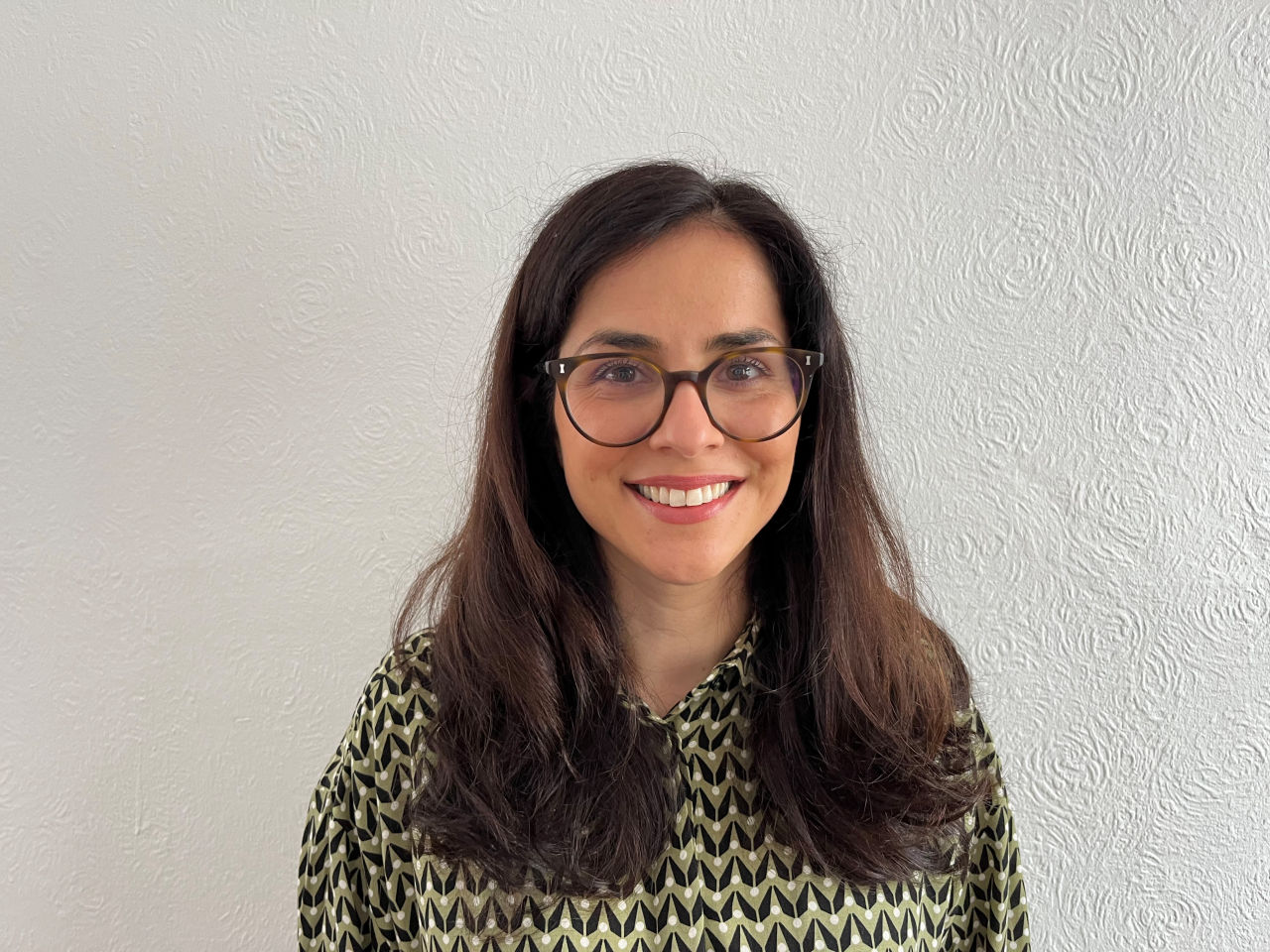
Kurdistan Institute-Rosa Luxemburg Stiftung-Beirut
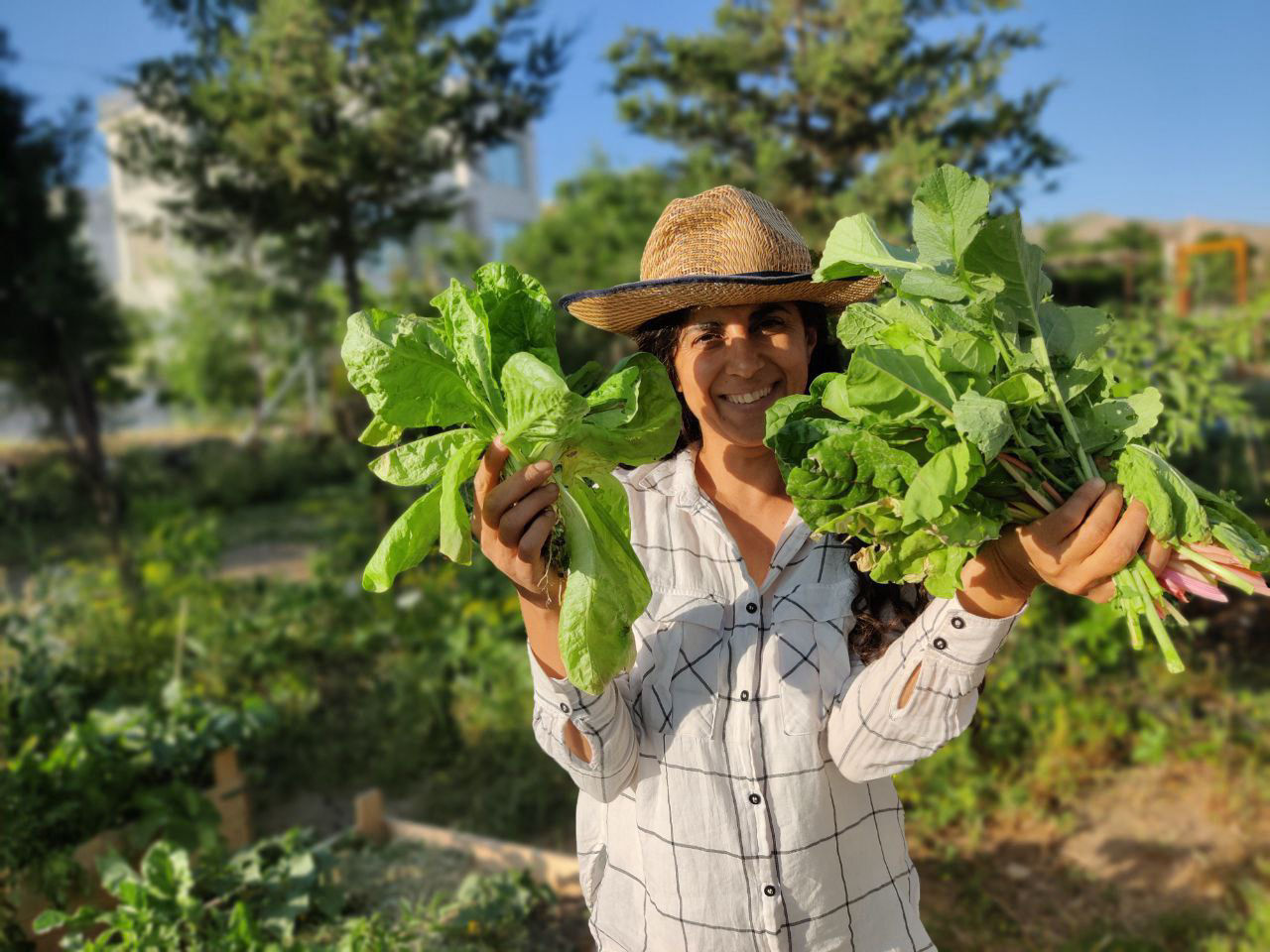
Food Sovereignty and Local
Farmers' Oral Traditions and Heritage
Wednesday, Feb 11, 2026
12:00 PM Central / 1:00 PM Eastern
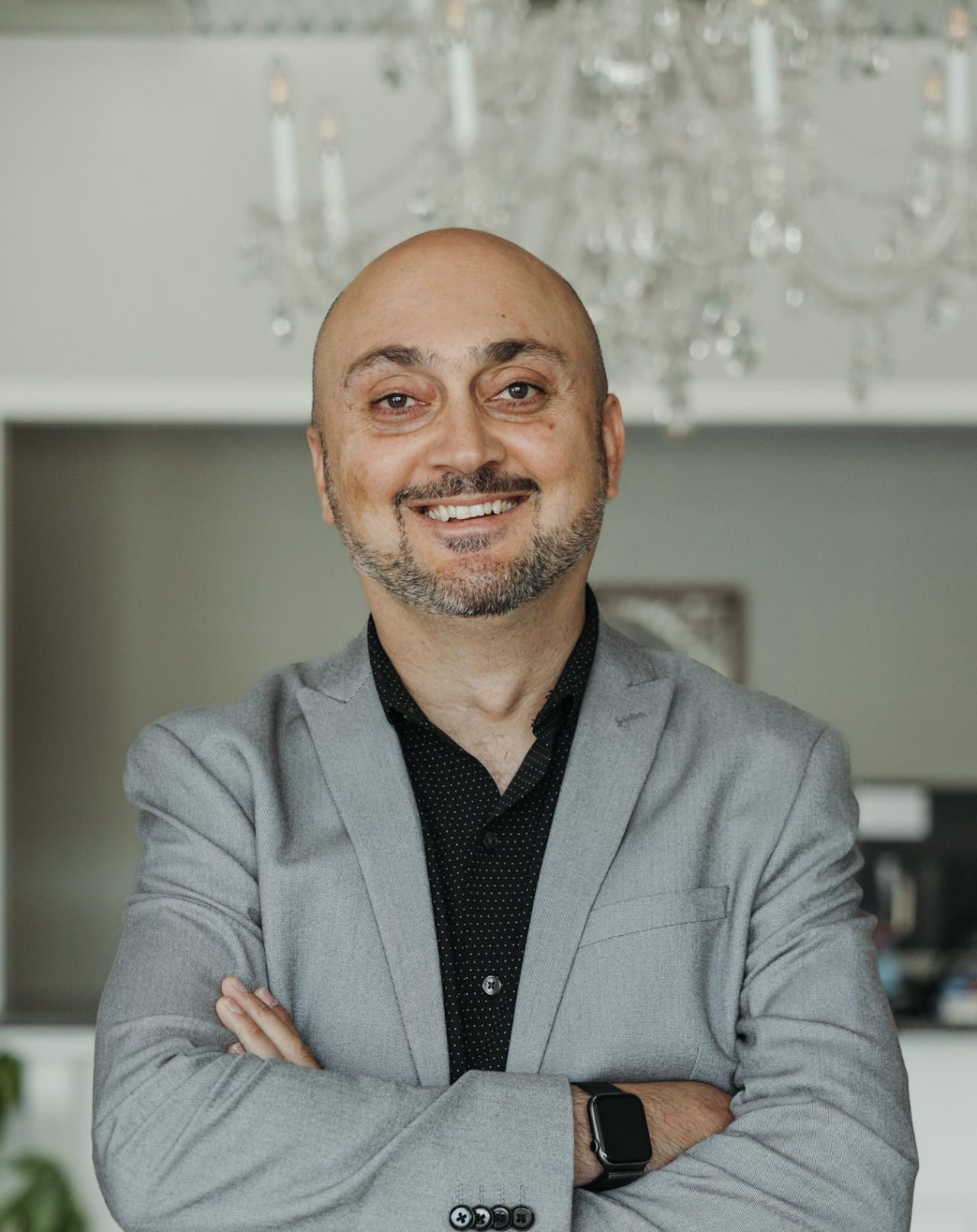
Davita Dialysis Clinic/ Cookeville
A Conversation on His Novels
and the Kurdish Story from an American Perspective
Wednesday, Feb 25, 2026
12:00 PM CST / 1:00 PM EST
Independent Researcher
Future Pathways for Kurdish Politics: Autonomy, Sovereignty and the Middle East Order
Wednesday, March 11, 2026
12:00 PM CST / 1:00 PM EST
Ibn Haldun University
The Limits of Modern Islamic Political Thought: The Radical Ideas of Hoca Mehmed Sadik Efendi
Wednesday, March 25, 2026
12:00 PM CST / 1:00 PM EST
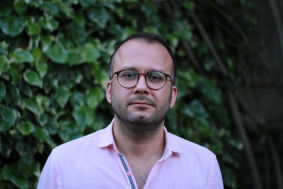
Muzzle Magazine
Silence as Form: Navigating Forced Isolation in Kurdish Poetics
Wednesday, April 8, 2026
12:00 PM CST / 1:00 PM EST
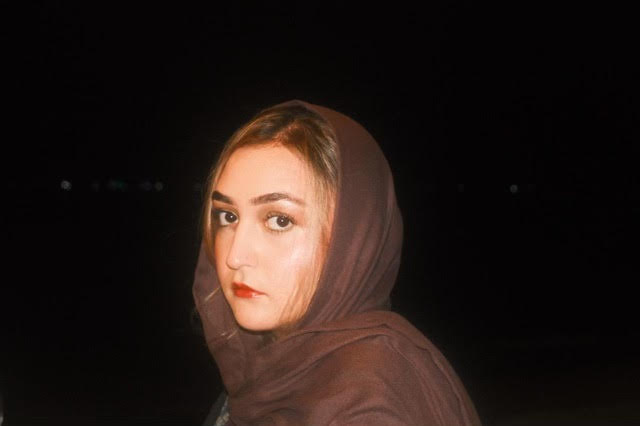
Ibn Haldun University
Kemalist Colonial Modernity, the Kurdish Self and the Notion of Tawhid
Wednesday, May 6, 2026
12:00 PM CST / 1:00 PM EST
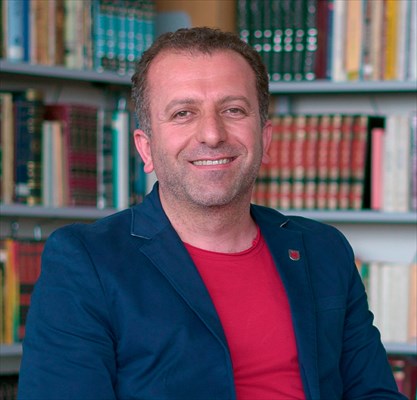
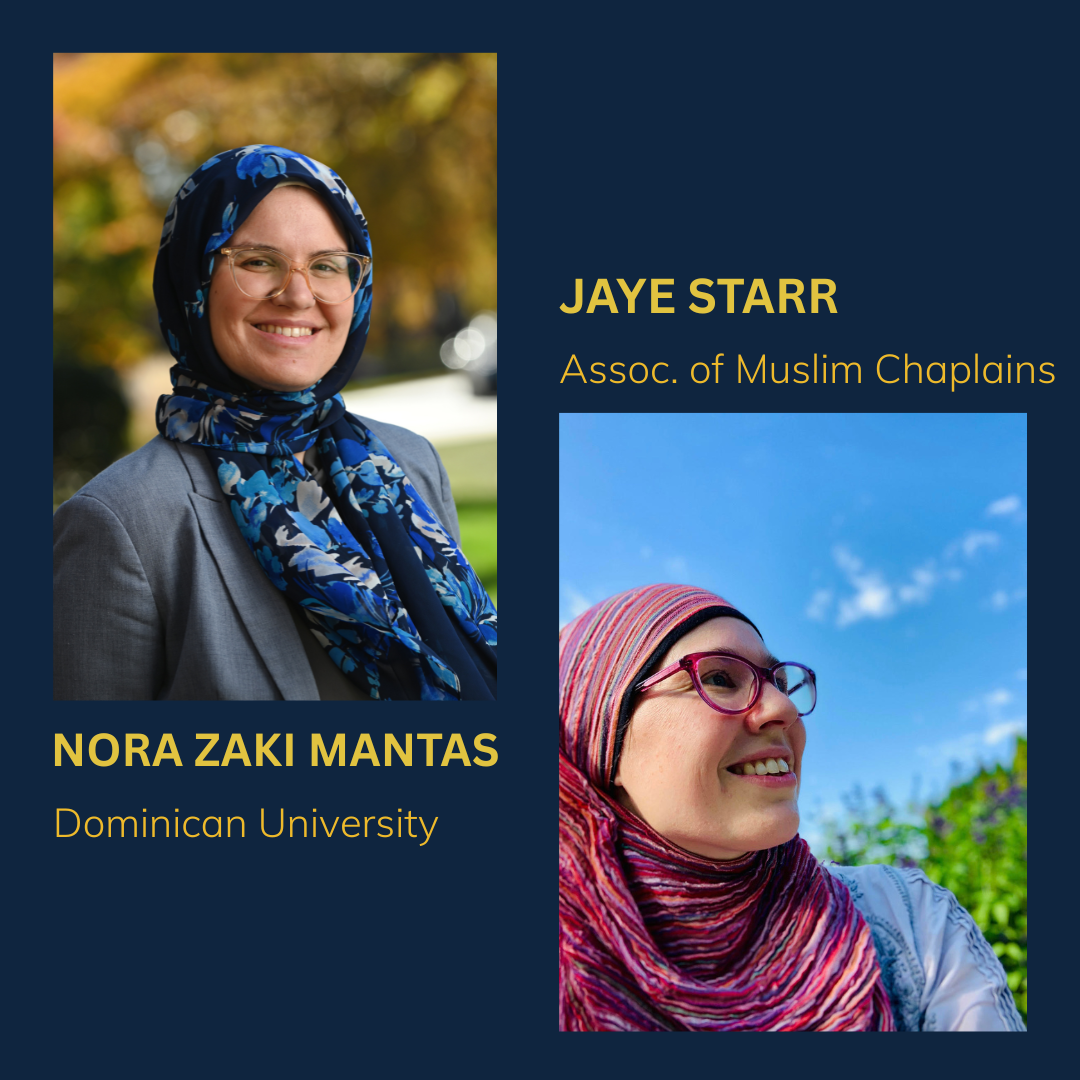
A Critical Muslim Studies Featured Panel: Muslim Chaplaincy in America Today
Wednesday, May 20, 2026
12:00 PM CST / 1:00 PM EST
University of Notre Dame
What's So Kurdish about Kurdish Music?
Perspectives from Ethnomusicology
Wednesday, Sep 3, 2025
12:00 PM CST / 1:00 PM EST
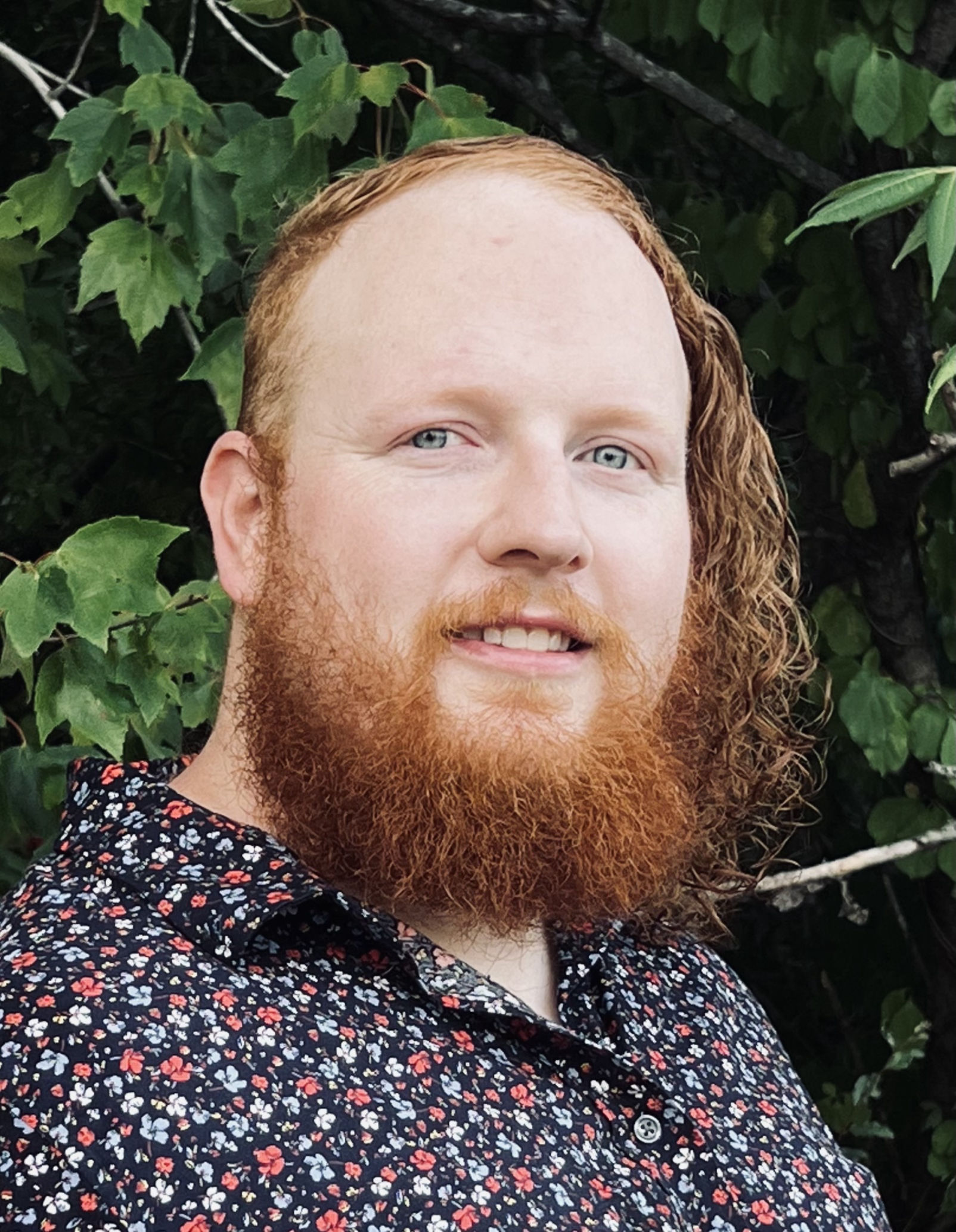
John Jay College, CUNY
Malik Kurd: On Kurdish Sovereignty
Wednesday, Sep 17, 2025
12:00 PM CST / 1:00 PM EST
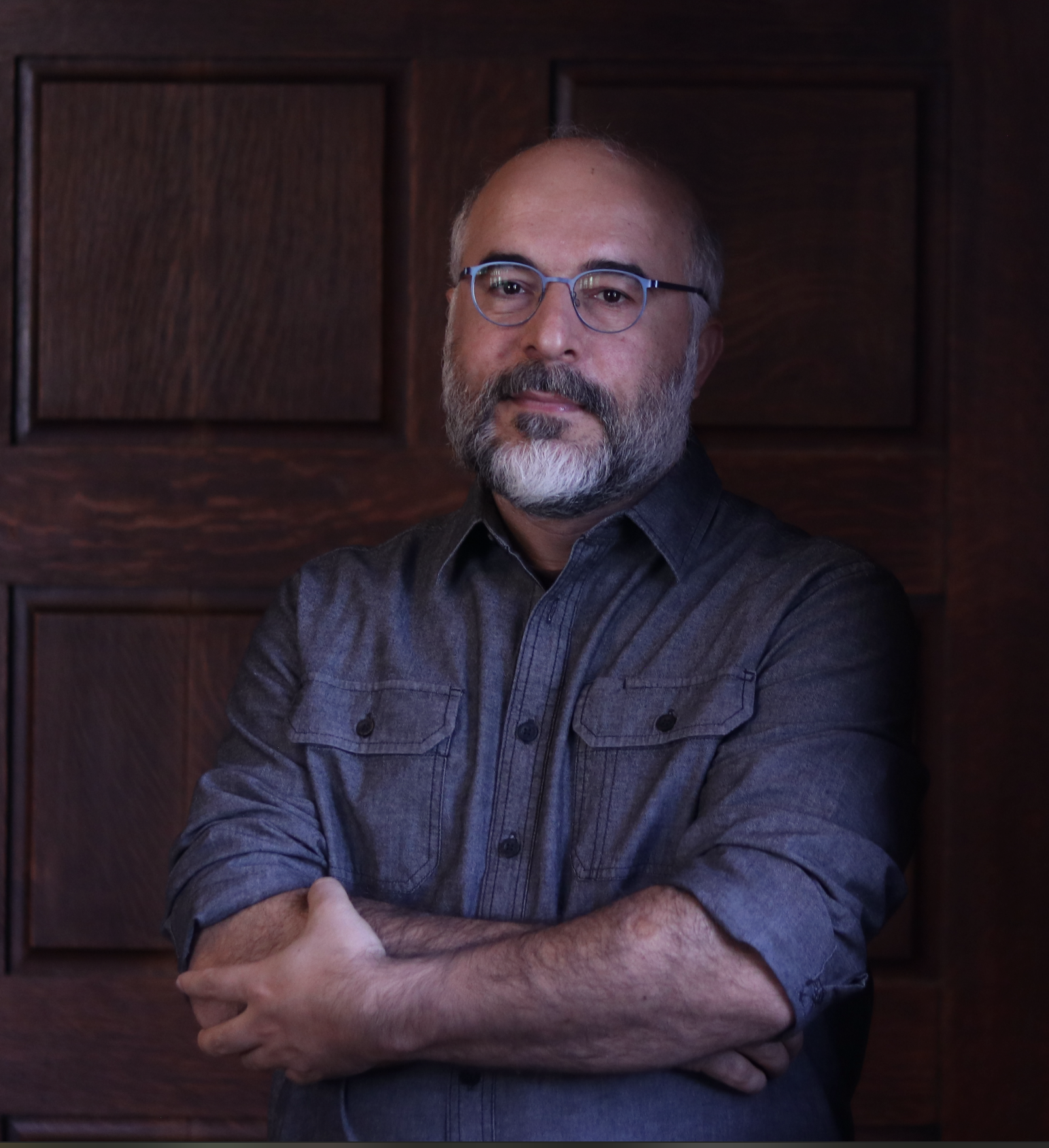
Zheen Center
Kurdish Studies Programs in the USA during the 1990s
Wednesday, Oct 1, 2025
12:00 PM CST / 1:00 PM EST
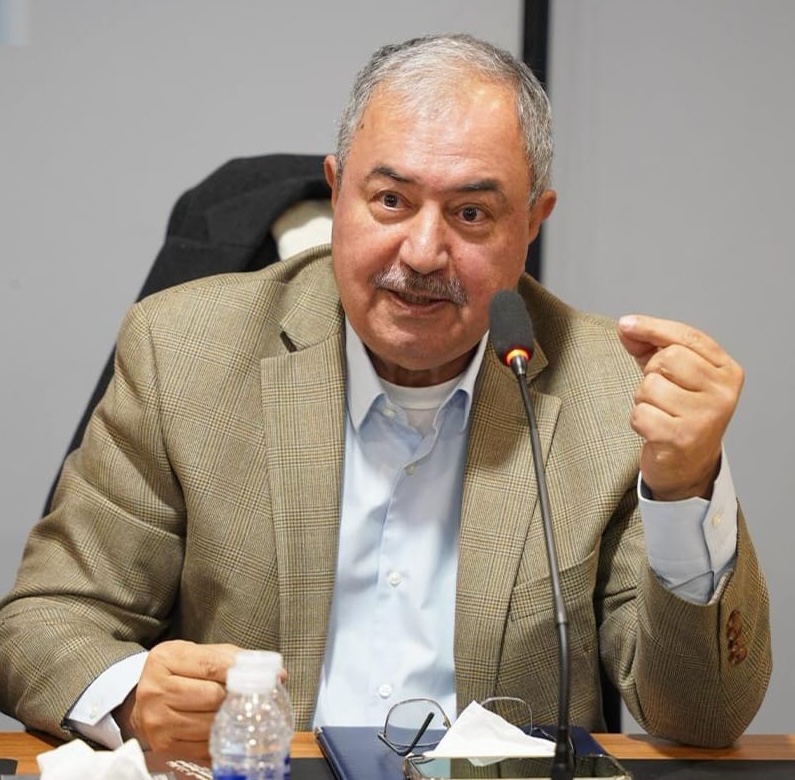
Moderated by: SENER OZMEN
PANELISTS
Nuveen Barwari, Huner Emin, Sherko Abbas
Gul Hur, Engin Sustam, Xeyal Kartal
Wednesday, Oct 15, 2025
12:00 PM CST / 1:00 PM EST
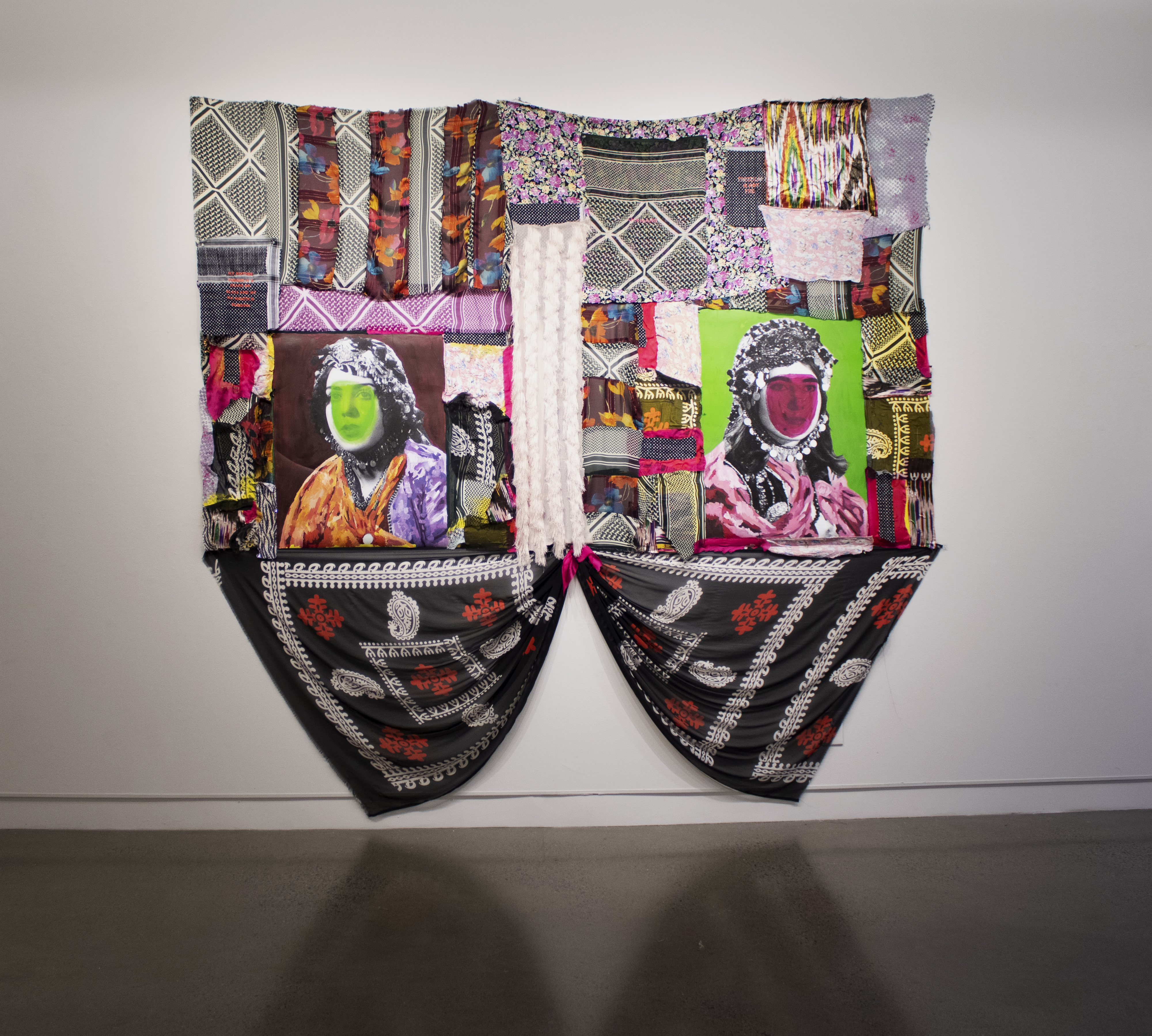
Zaytuna College
Kurdish Madrasa Culture
Wednesday, Nov 12, 2025
12:00 PM CST / 1:00 PM EST
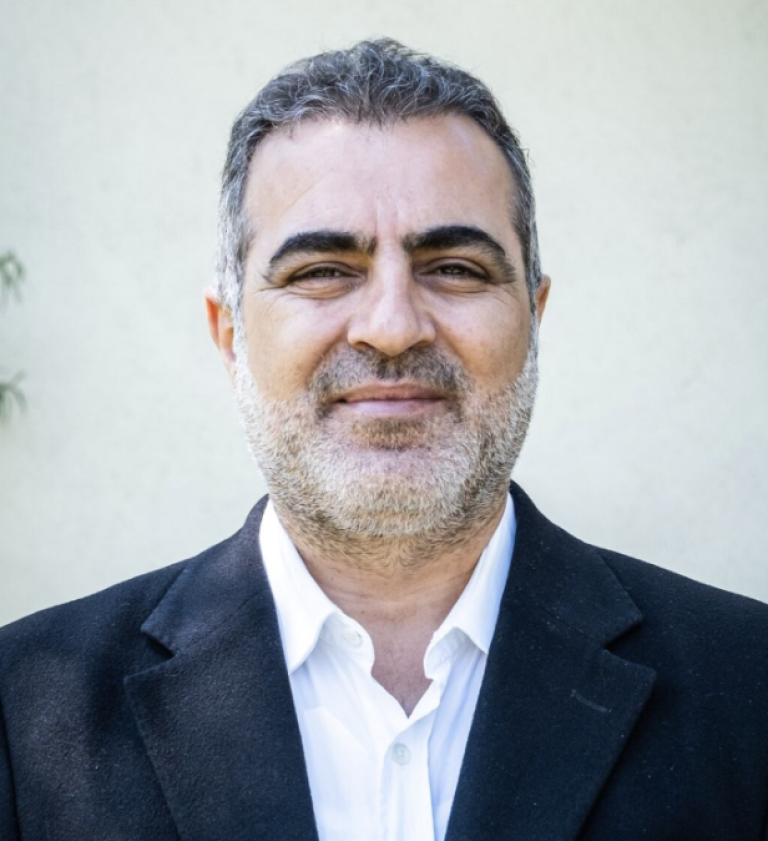
University of Akron
Violence and Security in Kurdistan in the Long Twentieth Century
Wednesday, Dec 17, 2025
12:00 PM CST / 1:00 PM EST
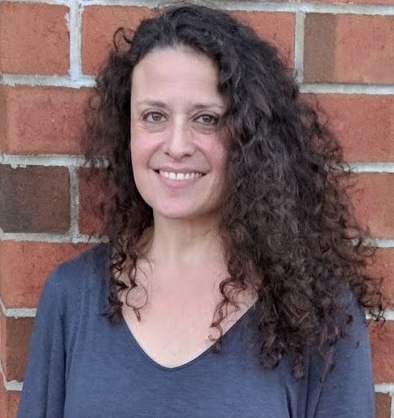
San Diego State University
Populism, Islamism, and Nationalism:
A New Partnership Worldwide
Wednesday, Feb 5, 2025
12:00 PM CST / 1:00 PM EST
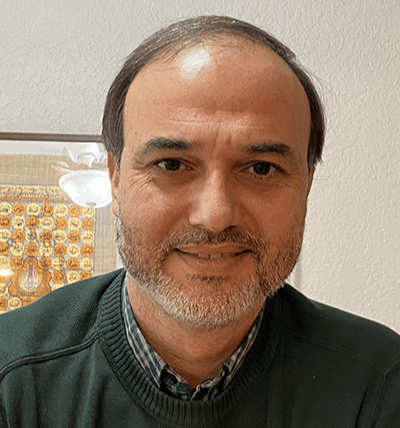
Vanderbilt University
Vegetarian Diet at the Intersection
of Kurdish Identity, Religion, and Class
Wednesday, Feb 19, 2025
12:00 PM CST / 1:00 PM EST
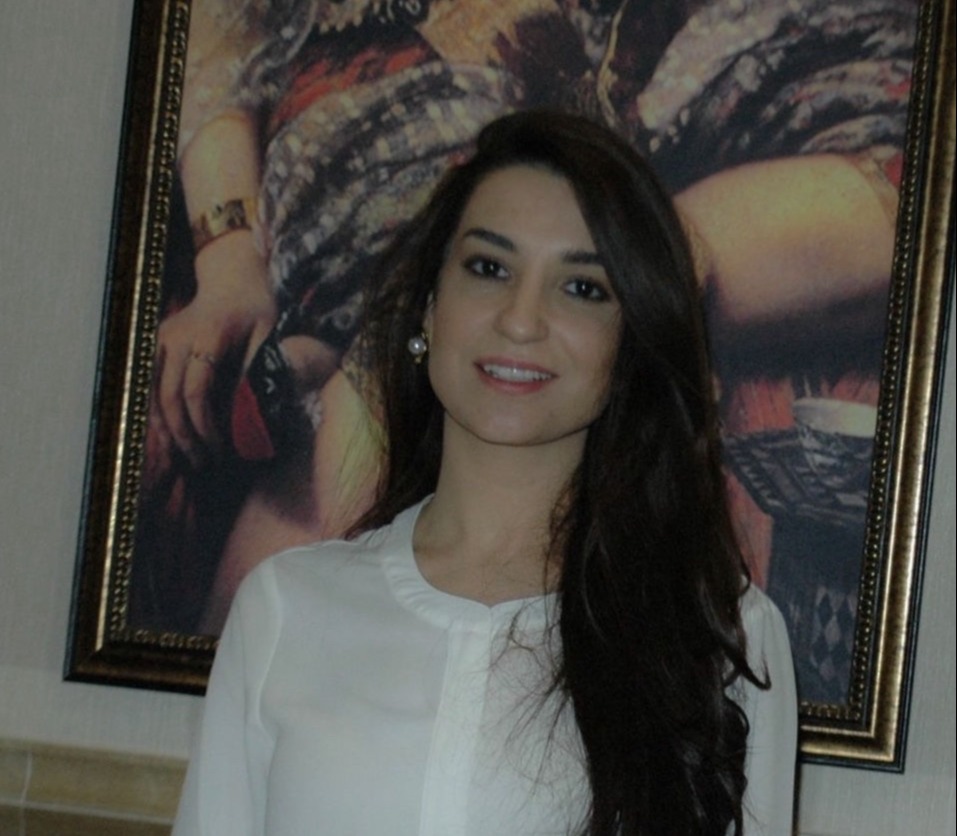
University of Exeter, UK
Untold Kurdish Women's Histories
Wednesday, March 19, 2025
12:00 PM CST / 1:00 PM EST
Columbia University
"The Black Box of the Republic":
Dersim '38 and the Making of the Modern Turkish State
Wednesday, April 2, 2025
12:00 PM CST / 1:00 PM EST
SPRING 2025 SPEAKER SERIES
Berklee College of Music
Music in the Lives of Alevi Kurds
Wednesday, April 16, 2025
12:00 PM CST / 1:00 PM EST
Orient-Institute Beirut
Imaginaries of Shingal as a Landscape of Resistance-Narratives around Yezidi Shrines Since the ISIS Genocide
Wednesday, April 30, 2025
12:00 PM CST / 1:00 PM EST
Library of Congress Retiree
Breakthroughs in Kurdish Lexicography
Tuesday, May 28, 2025
12:00 PM CST / 1:00 PM EST
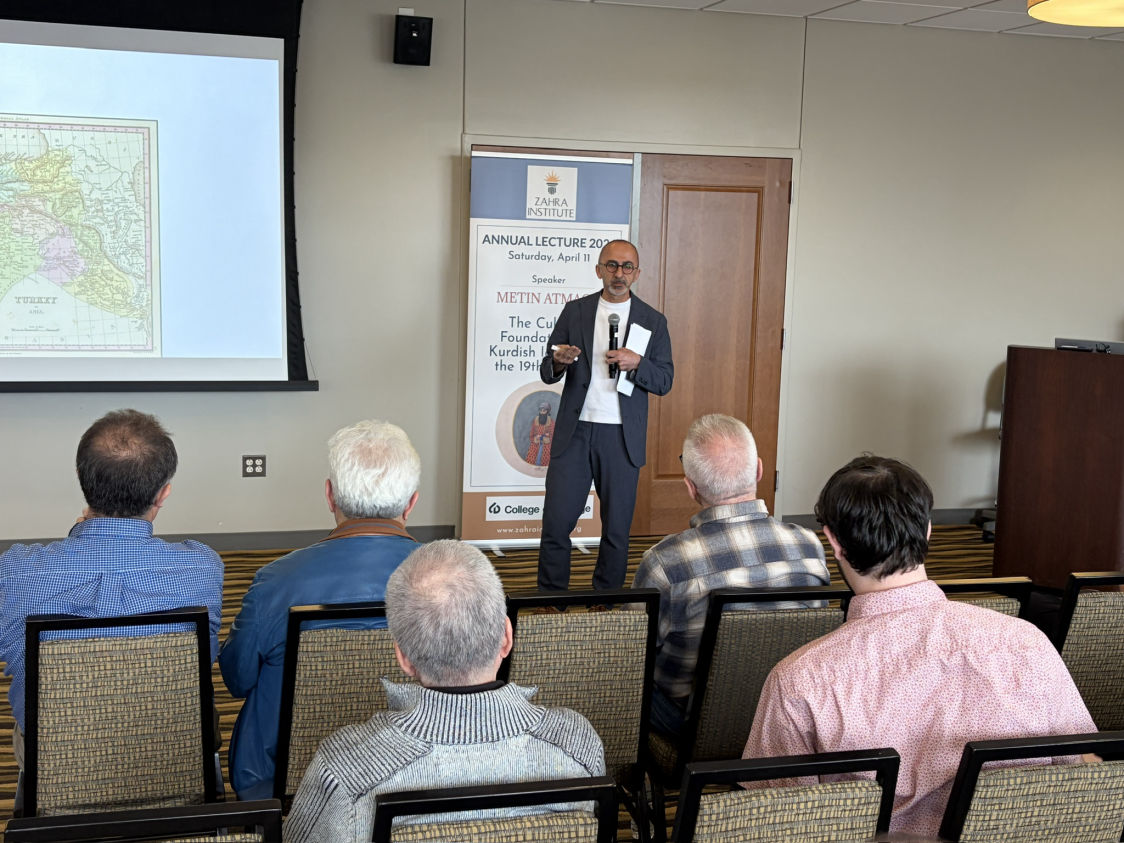
On April 11, 2026, Zahra Institute was honored to welcome Metin Atmaca of the Social Sciences University of Ankara for our Sixth Annual Lecture. Dr. Atmaca highlighted the active role of Kurdish nobles, religious figures and writers poised between the Ottoman and Persian empires in a lecture titled, “The Cultural Foundations of Kurdish Identity in the Nineteenth Century.” His lively presentation included analysis of court painting and portraiture, a look at Sufi sites in Slemani and Sena, and a reading from the work of dueling poets.The talk was followed by questions
and conversation with the audience.
Held on the campus of the College of DuPage, the event drew academics and community members from the Chicago area and guests from as far away as Florida and Atlanta. Before the presentation, ZI’s Academic Director, Mucahit Bilici, recognized several of our MA students who are preparing to graduate in 2026, and presented a service award to the Institute’s long-serving
Executive Director, Dr. Ibrahim Demir.
Metin Atmaca is Professor of History at the Social Sciences University of Ankara and a Visiting Professor at the Centre for Kurdish Studies at the University of Exeter. He teaches courses on the Kurds, the Persian-speaking world, world history, and modern Middle Eastern history. With support from the British Library, he currently leads a collaborative project with the Zheen Centre in Sulaymaniyah (Iraqi Kurdistan) focused on the preservation and digitization of historical documents. His research and publications span Kurdish emirates, Iraq, Ottoman studies in the Arab world, and biographical scholarship. He is the founder and Editor-in-Chief of the Encyclopaedia of the Kurds, a comprehensive multi-volume reference work covering Kurdish history, politics, society, arts, architecture, cinema, media, and migration.
Critical Muslim Studies is an interdisciplinary field that focuses on Muslim experience in a global context. Unlike more textually based Islamic Studies, Critical Muslim Studies approaches Islam and Muslims in the context of lived experience and history. It takes Muslim life as its primary object of study and thus underlines the relevance of the humanities and social sciences. It also sees critique not as a luxury, but rather as a necessity for both Muslim life and the understanding of it. Critical Muslim Studies places the study of Islam and Muslims in conversation with various philosophical and intellectual traditions, understanding Muslim experience in truly global terms.
The Master of Arts in Kurdish Studies at Zahra Institute is the first of its kind in the United States. It examines the lives and culture of the Kurds, a Middle Eastern people living in Kurdistan and beyond, spread across the borders of several modern states and linguistic and cultural zones.
The MA Program provides excellent background preparation for a doctoral degree in any field related to the Middle East and for those interested in pursuing careers in media, government, and international organizations. Our liberal arts approach to Kurdish Studies is based on rigorous academic standards and a strong commitment to scholarly freedom.
Zahra Institute Certificate Program 2021 alumnus and graduate student at Florida International University
Our Kurdish Studies Certificate Program connects students with highly-trained, responsive faculty in a small-class setting that enables them to expand on their existing knowledge while exploring Kurdish language, culture, and civilization. For application information visit our Certificate Program page.
Subscribe for updates on our programs and events